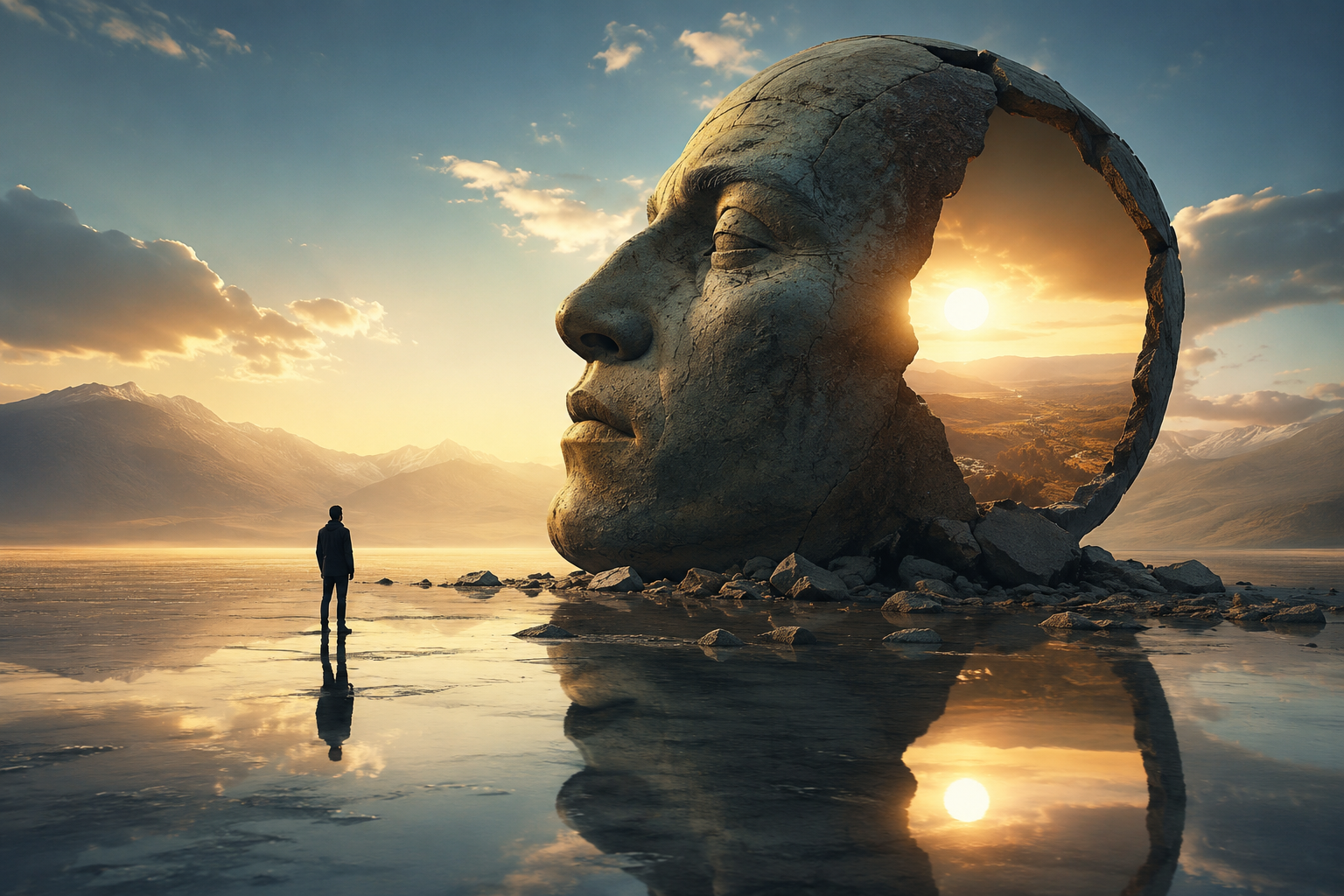
Perspective: The Illusion of Greatness
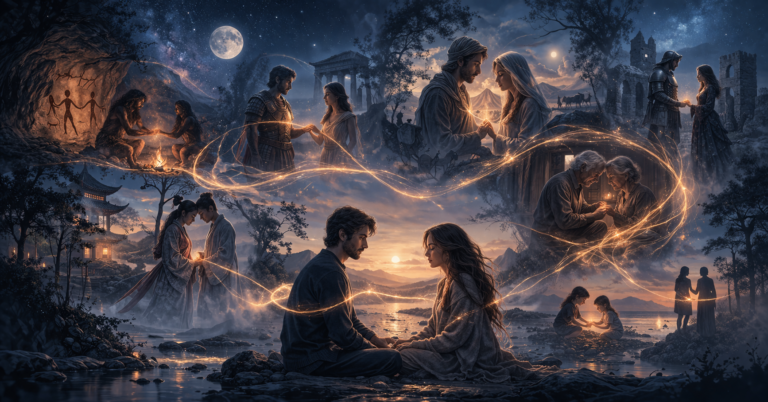
Throughout history, men have tried to conquer the world. Alexander marched across continents believing destiny itself moved with him. Hitler imagined an empire that would reshape humanity for a thousand years.
Kings, emperors, and rulers built monuments to permanence, as though history itself revolved around their ambition. From the ground, such power can appear immense.
But perspective changes everything.
The Scale We Forget
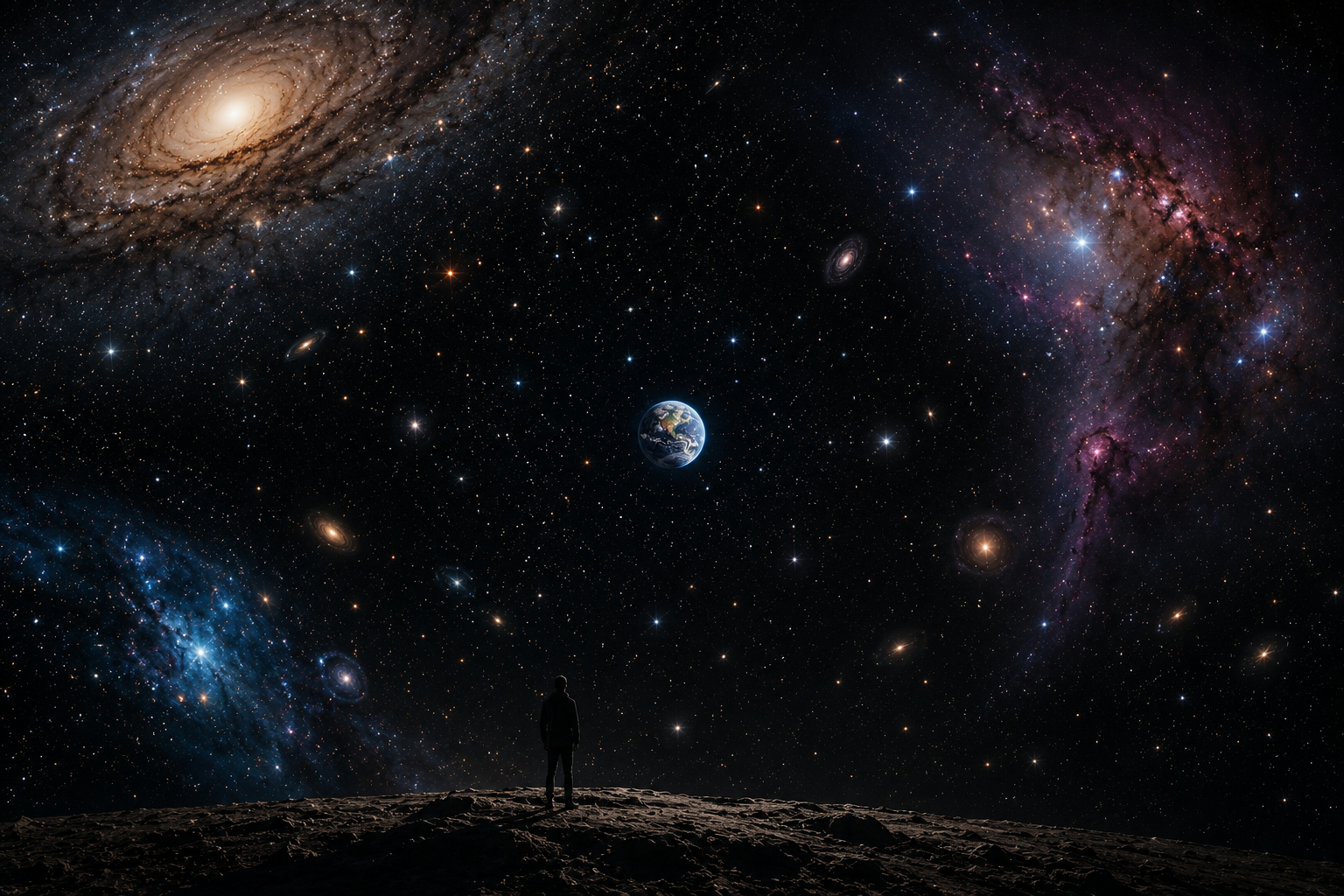
The Earth feels enormous to us. Cities seem permanent. Borders appear meaningful.
Human conflict feels absolute.
And yet, from space, the divisions disappear.
No nations.
No empires.
No victories.
Only a small sphere suspended in darkness.
A Cosmic Perspective
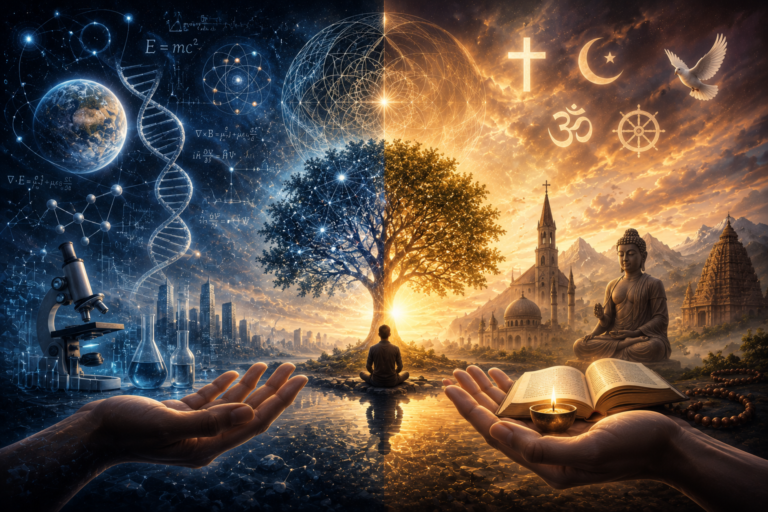
Modern physics has expanded human perspective in ways ancient civilizations could never imagine.
The Earth is not the center of the universe. It is not even the center of the solar system.
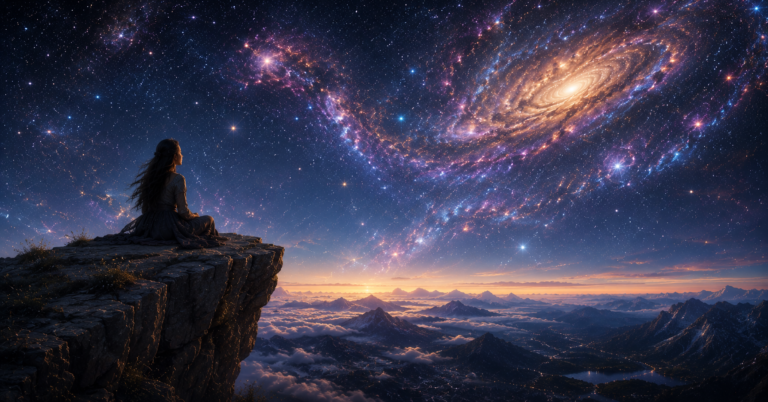
Our sun, which once seemed immeasurably vast, is one star among hundreds of billions in a single galaxy.
And beyond that galaxy—trillions more. Against this scale, the ambitions that consume humanity begin to look strangely small.
The Relativity of Importance
What feels significant depends entirely on perspective.
To an ant, a footprint is catastrophe. To a nation, a war defines generations.
To the cosmos, both may pass unnoticed.
Physics has repeatedly shown us that observation changes understanding.
Time is not absolute. Space is not fixed. Motion depends on the observer. The deeper we look, the more reality itself appears tied to perspective.
What Eastern Philosophy Saw Long Ago
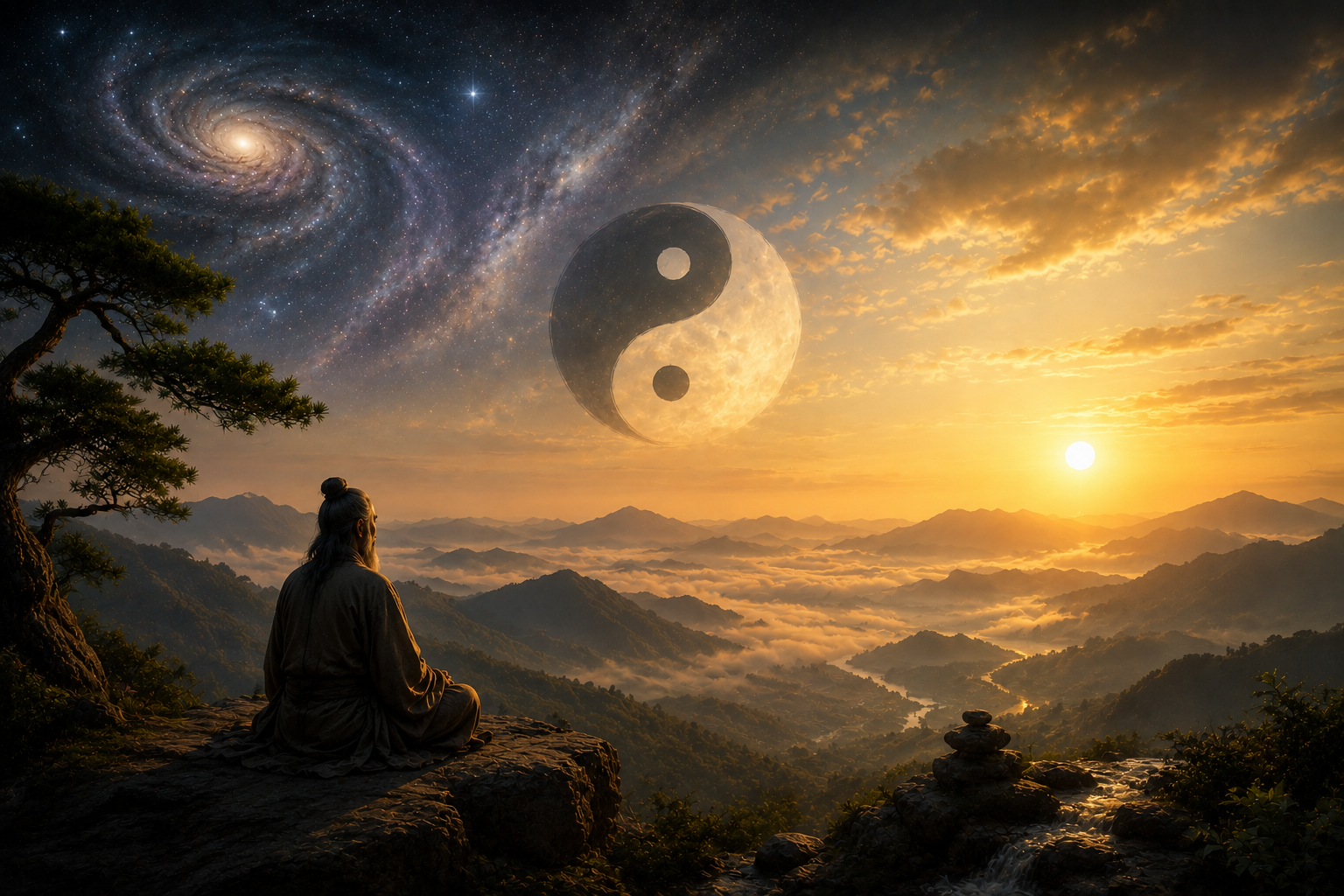
Long before telescopes and modern cosmology, Eastern philosophies questioned the importance the human mind assigns to itself.
In Hindu thought, the ego mistakes itself for the center of reality.
In Buddhism, attachment to identity and permanence creates suffering.
The problem was never the world itself—
but the perspective through which it was viewed.
The Illusion of the Separate Self
We move through life as though we are separate from everything around us.
“My success.”
“My nation.”
“My legacy.”
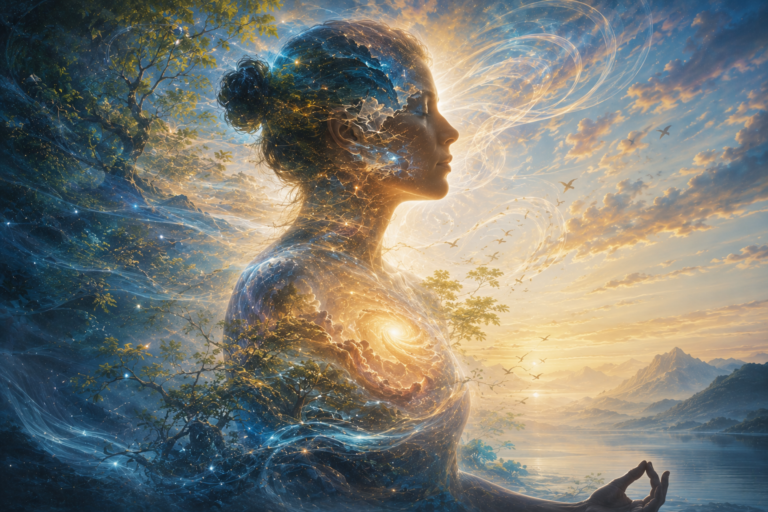
But from another perspective, these distinctions begin to soften. The body is made from the same elements as stars. Thoughts arise from conditions we did not create. Life itself exists through endless interconnection. What we call “self” may be less independent than it appears.
A Different Kind of Greatness
Perhaps true perspective does not diminish human life—it transforms it. Not into something meaningless, but into something deeply connected. The universe is vast beyond comprehension. And yet, within this immensity, consciousness arose. The ability to question.
To wonder. To become aware of existence itself. Maybe greatness was never about conquering the world. Maybe it was about understanding our place within it.
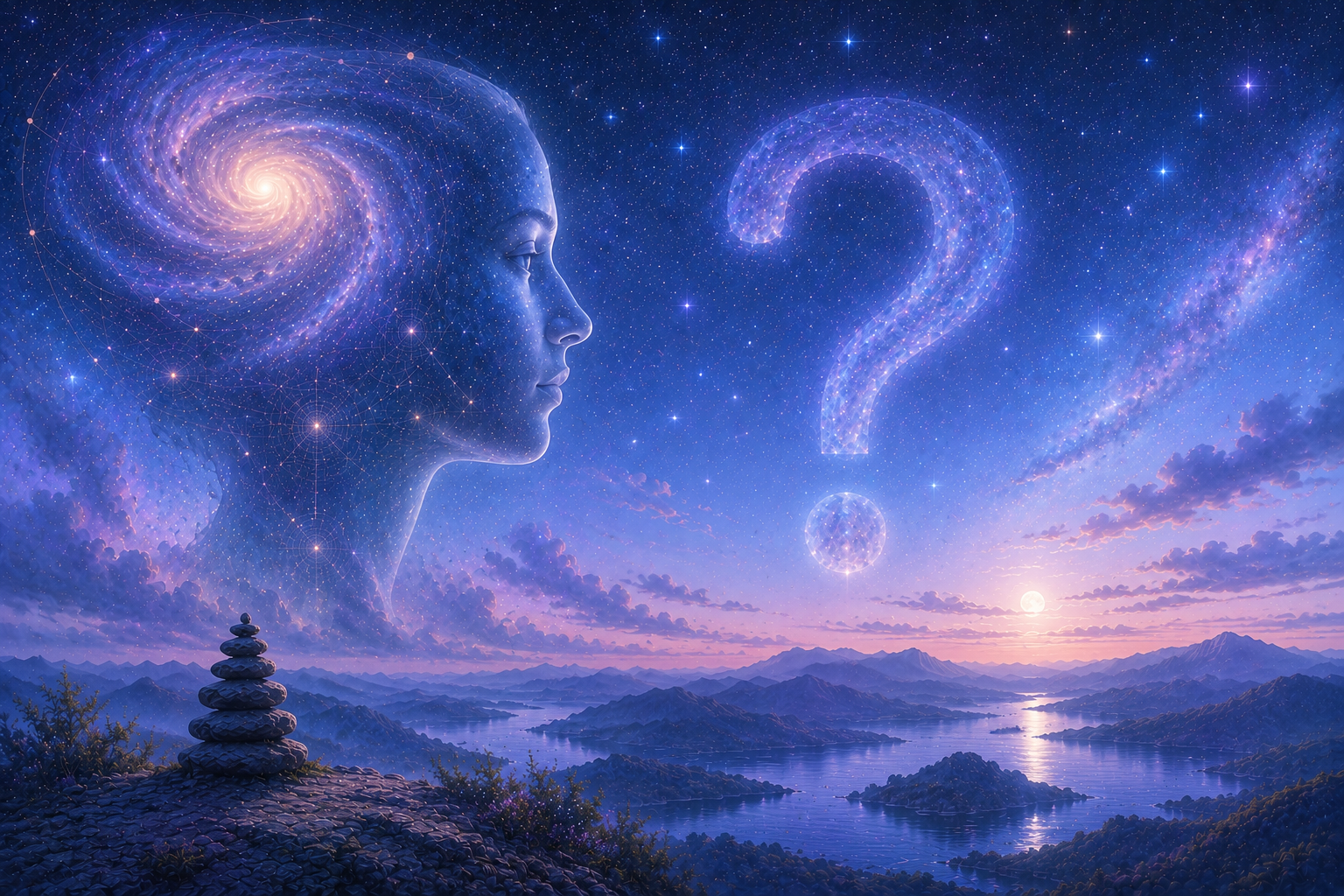
The conqueror looks outward and asks,
“How much can I control?”
Wisdom looks outward,
then inward,
and asks something else entirely:
What am I,
within all of this?