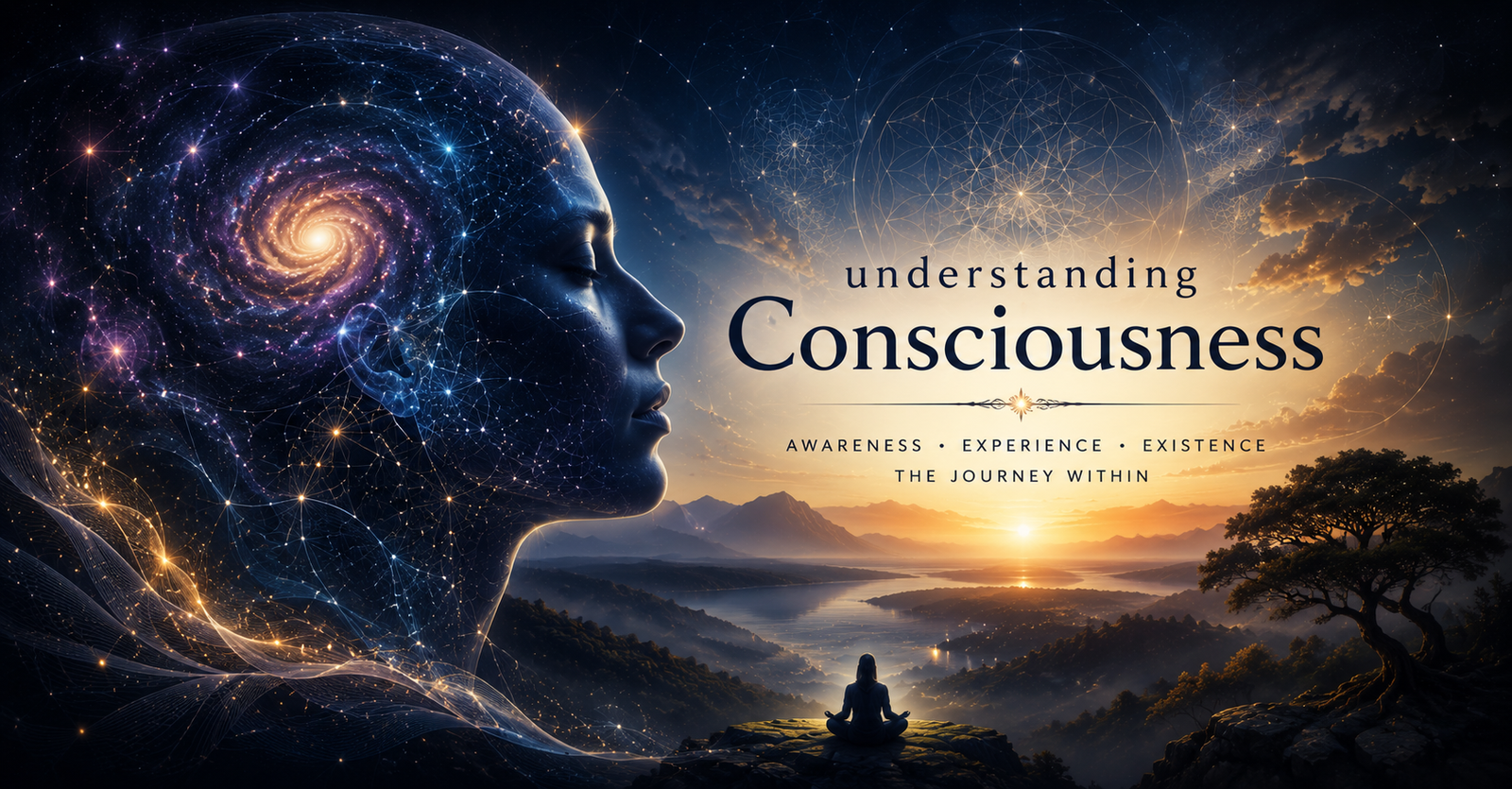
What is consciousness? Is it something we have—or something we are?
Across philosophy and science, consciousness remains one of the deepest and least understood aspects of reality.
This section explores consciousness through different lenses—Buddhist insight, philosophical inquiry, and modern scientific thought—making complex ideas clear, grounded, and relevant.
Perspectives on Consciousness
Across different traditions, consciousness has been explored in distinct but often overlapping ways. While the language and frameworks may differ, many of these perspectives point toward a deeper understanding of awareness, perception, and the nature of self.

Buddhist Perspective
In Buddhism, consciousness is not seen as a fixed entity, but as a dynamic process.
Rather than a permanent self, experience is understood as a flow of changing mental and sensory events. The idea of “no-self” (Anatta) suggests that what we take to be “I” is a construction—arising from patterns of perception, thought, and memory.
Consciousness, in this view, is closely tied to awareness and observation, and insight comes from seeing this process clearly.

Hindu Perspective
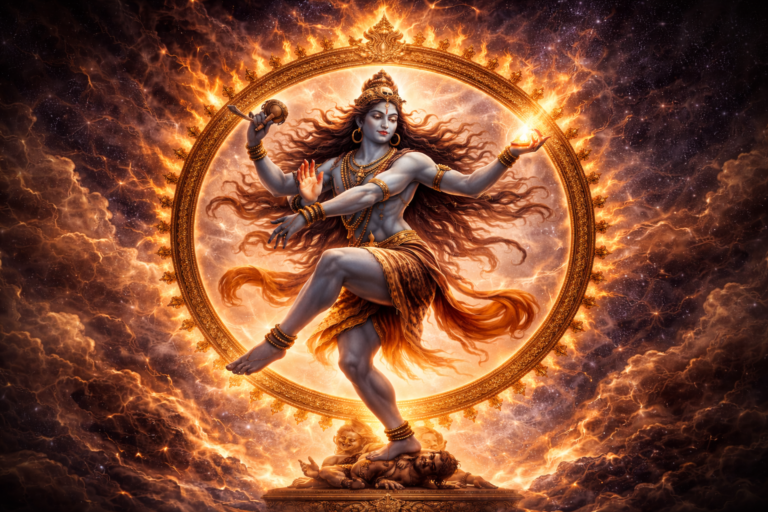
In many Hindu traditions, especially Advaita Vedanta, consciousness is seen as the fundamental reality. Rather than being produced by the mind, it is considered the underlying essence of existence—often referred to as Brahman. The individual self (Atman) is not separate from this universal consciousness. From this perspective, the world of appearances (Maya) can obscure this truth, and understanding comes from recognizing the unity of all experience.
Scientific Perspective
In modern science, consciousness is often studied as a product of brain activity, though its exact nature remains unclear.
Fields like neuroscience attempt to map awareness to physical processes, while quantum physics raises deeper questions about observation and the role of the observer in shaping reality. Despite advances, consciousness remains one of the most challenging problems in science—often referred to as the “hard problem” of experience.

Why This Matters
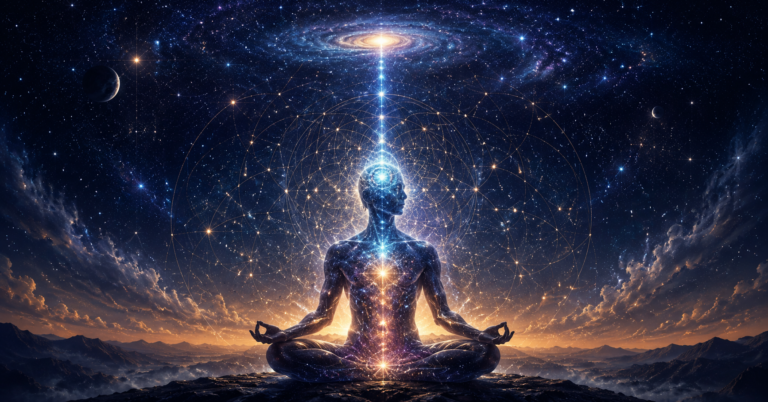
Understanding consciousness is not just a theoretical exercise. It changes how we relate to our thoughts, how we interpret our experiences, and how we understand the idea of self. These insights are not meant to replace one belief with another, but to bring greater clarity to how we experience reality.